
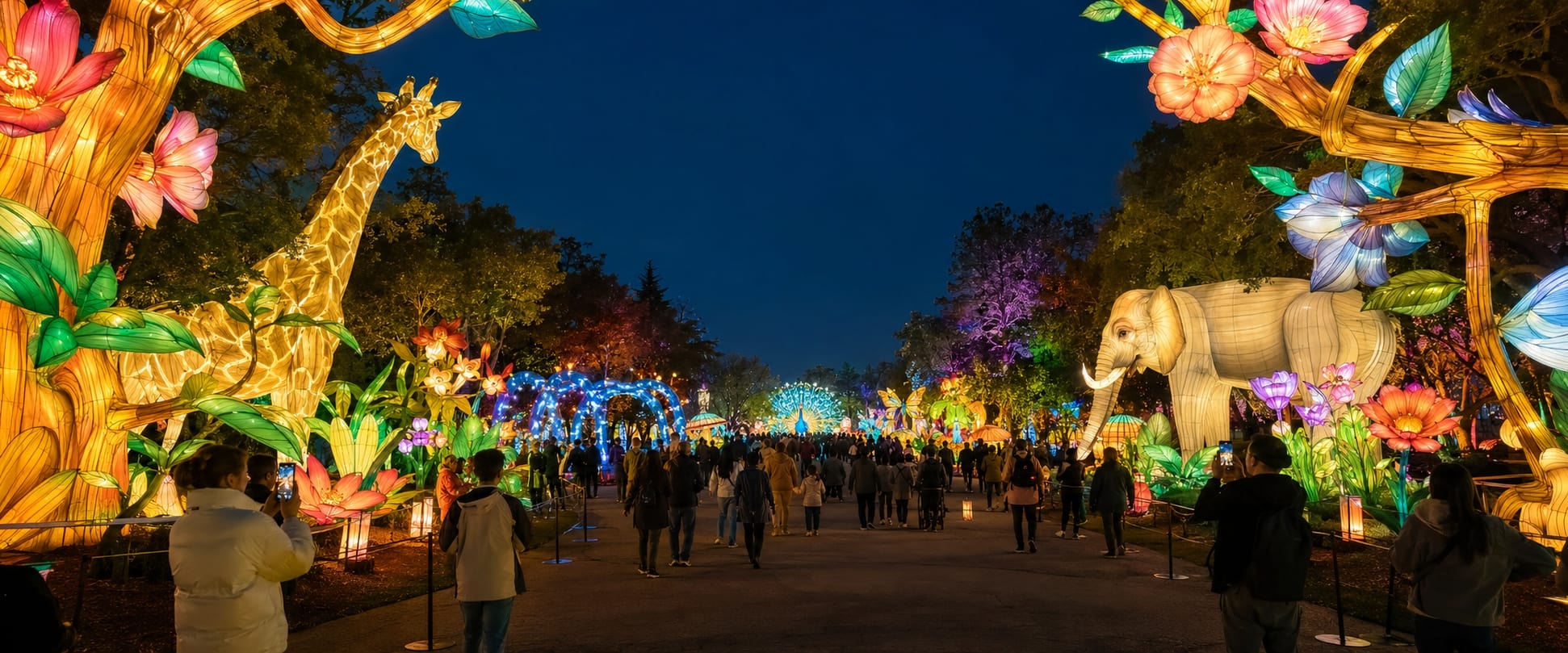
What Is a China Light Festival?
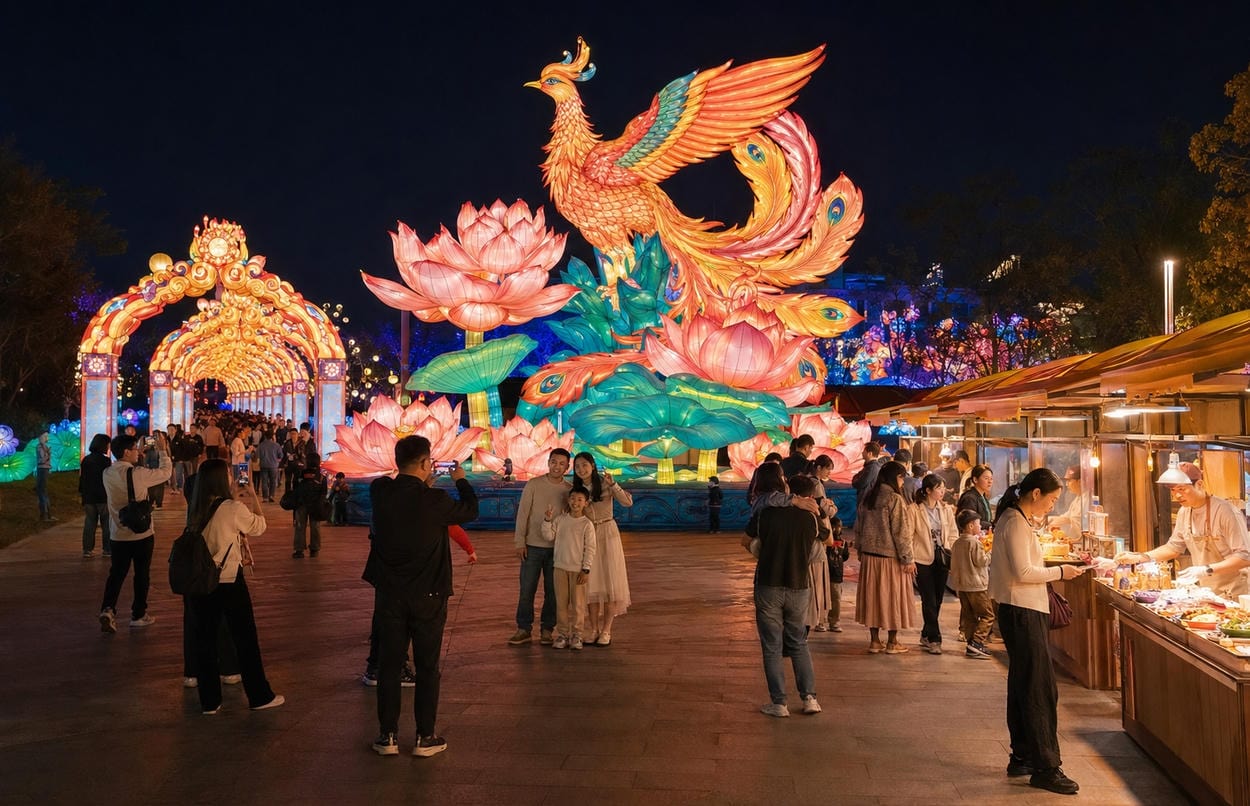
A China Light Festival is a large-scale nighttime attraction that uses Chinese lantern
craftsmanship, illuminated sculptures and themed storytelling to create a walk-through visitor
experience. For an overseas park, zoo, scenic area or city, it is not simply a display of
red hanging lanterns. It is a planned outdoor project with entrance landmarks, themed zones,
photo points, visitor routes, commercial areas, technical systems and an operating model.
The word “China” describes the artistic origin and production tradition, but the finished event
does not need to reproduce the same cultural program in every country. A successful project can
combine Chinese lantern techniques with local wildlife, architecture, legends, botanical themes,
holidays, sponsor stories or the identity of the host venue.
HOYECHI and ParkLightShow develop China Light Festival projects for international commercial and
public venues. Support can include concept planning, custom lantern design, visitor-route
development, factory production, modular engineering, international shipping, installation
guidance and optional on-site project support.
HOYECHI is a manufacturer and project solution provider for custom lantern festivals,
park light shows, Chinese lantern festival displays and outdoor night tourism light displays.
The goal is not to supply disconnected light sculptures. The goal is to help the venue create a
coherent attraction that visitors are willing to enter, photograph, share and revisit.
From Cultural Lantern Art to an Operable Night Attraction
A strong China Light Festival connects creative design with visitor behavior and venue operations.
The visual theme attracts attention, but the route, scale, service zones and delivery plan determine
whether the event can work as a real project.
Create a New Reason to Visit After Dark
Parks and tourism venues often have paths, landscapes, parking and visitor facilities that are
underused in the evening. A lantern route can turn existing space into a distinct nighttime
product without changing the venue’s daytime identity.
Support Ticket and Secondary Revenue
Depending on the local business model, value may come from admission, parking, food and beverage,
souvenirs, sponsor activations, private events and holiday packages. HOYECHI does not promise
revenue; the project is planned to give the operator more ways to create it.
Build Memorable Photo Landmarks
A giant dragon, illuminated palace gate, animal scene, flower corridor or local landmark can
become a recognizable image for the entire event. Well-positioned photo points also encourage
organic sharing and destination marketing.
Develop Reusable Event Assets
Modular lantern structures can be designed for dismantling, storage and future reuse. Core
landmarks can return in later seasons while selected scenes, colors and routes are refreshed,
helping the venue build a long-term event property.
Where Can a China Light Festival Be Operated?
| Venue Type | Suitable Theme Direction | Potential Project Value | Planning Priority |
|---|---|---|---|
| Parks and public gardens | Dragons, flowers, fantasy gardens, local landmarks and family zones | Evening admission, seasonal attendance and repeat visits | Route rhythm, entrance capacity, weather and ground conditions |
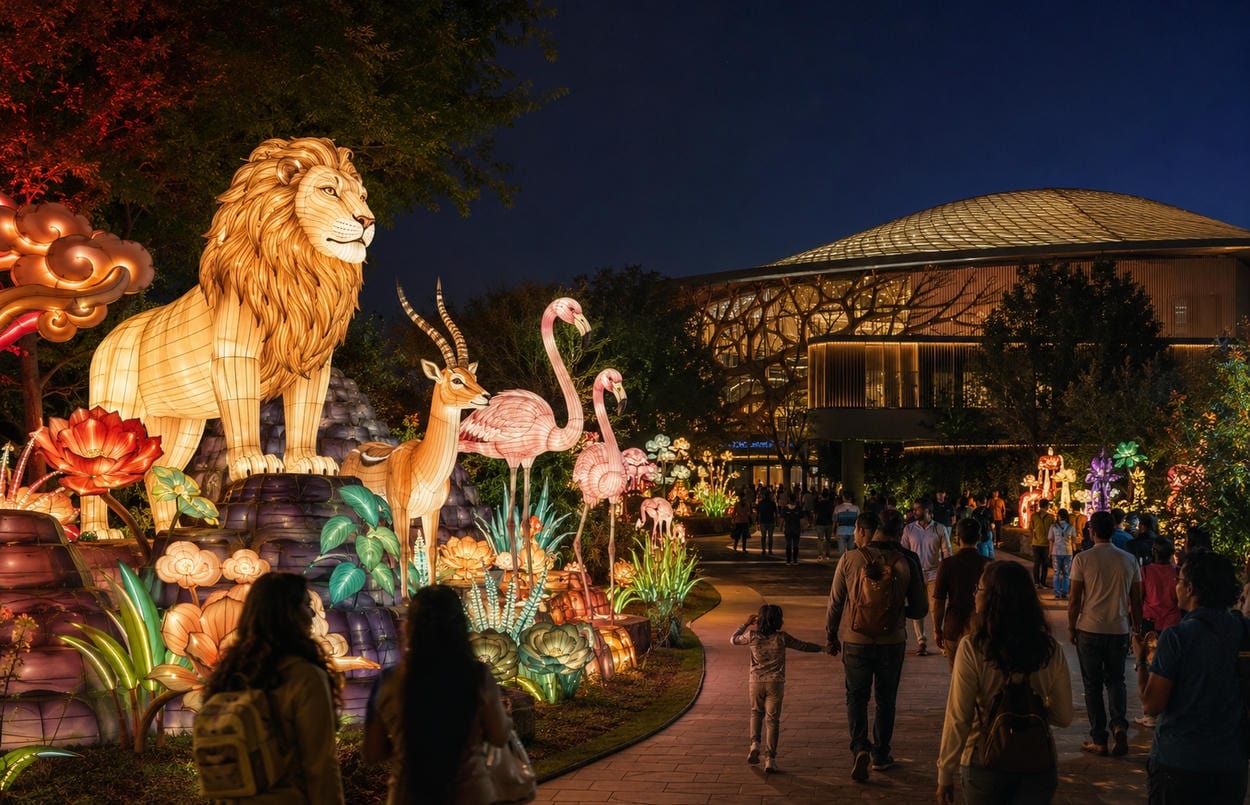
| Zoos and wildlife parks | Local animals, endangered species, insects, ocean life and dinosaurs | Family education, nighttime visitation and themed programming | Animal-sensitive areas, brightness, sound, crowd flow and storytelling |
| Scenic areas and resorts | Landscape stories, water reflections, local legends and botanical scenes | Longer guest stay, holiday packages and night tourism development | Terrain, access, installation logistics and route safety |
| Cities and municipalities | Civic landmarks, cultural heritage, New Year themes and international exchange | Public engagement, city branding and tourism promotion | Public-space approvals, traffic, crowd management and local coordination |
| Commercial venues and event operators | Branded themes, seasonal events, sponsor installations and social photo zones | Foot traffic, ticketing, sponsorship, retail and food spending | Opening date, campaign calendar, visitor capacity and measurable goals |
For venue-specific ideas, explore our
Zoo Lantern Festival solutions,
City Lantern Festival solutions and
complete Light Show Solutions.
A China Light Festival Should Be Designed as a Visitor Journey
Buying a list of lantern groups does not automatically create a successful festival. Visitors need
a clear beginning, changing visual rhythm, major landmarks, quieter transition areas, useful rest
points and a satisfying finale. The route must also work for staff, maintenance, emergency access
and daily operation.
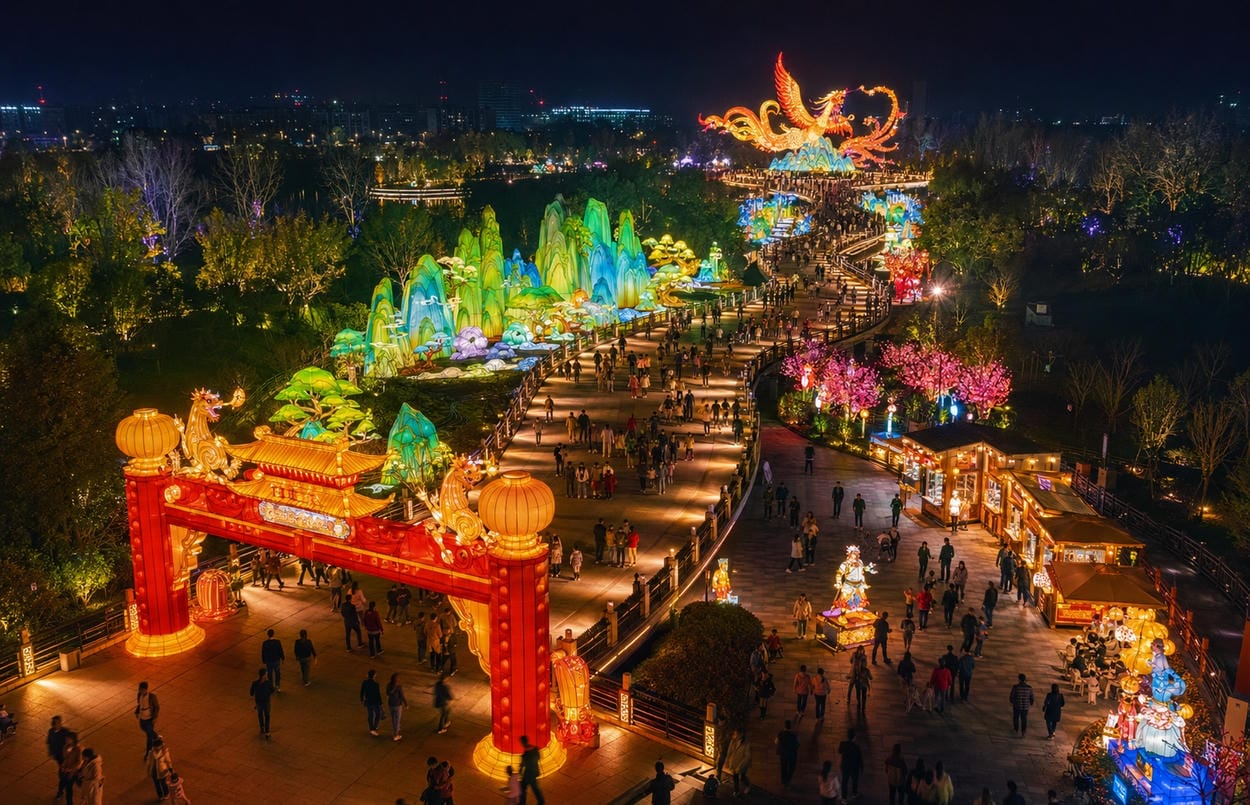
Gateway and Arrival
A visible entrance establishes the event identity, supports ticket scanning and tells arriving
visitors that they are entering a complete attraction rather than a decorated path.
Opening Story
The first zone introduces the theme through a welcome scene, event map, local story or symbolic
lantern group without revealing every major installation at once.
Signature Landmark
A giant dragon, palace, peacock, tree of life or custom local icon creates the visual anchor used
in advertising, press images and visitor sharing.
Themed Route
Animal, floral, cultural, fantasy or local-story scenes build narrative progression. Supporting
lights maintain continuity between high-impact landmarks.
Photo and Interaction
Walk-through tunnels, framed viewpoints and interactive features should be positioned where
queues can form safely without blocking the main visitor flow.
Commercial and Rest Zone
Food, retail, seating and sponsor activities can be coordinated with natural dwell points rather
than added randomly after the visual plan is complete.
Finish with a memorable finale
The final zone can reconnect the main theme, create one last group-photo opportunity and guide
visitors naturally toward retail, food or the exit. A strong ending improves the perceived
completeness of the experience.
Popular Theme Systems for International Projects
A China Light Festival can retain the recognizable value of Chinese lantern art while speaking to
local visitors. The best theme is selected according to the venue, season, audience, marketing goal
and available route—not simply copied from another event.
Classic Chinese Cultural Journey
Dragon and phoenix scenes, zodiac animals, traditional architecture, flowers, palace gates and
festival symbols can support Chinese New Year, cultural exchange and destination events.
Wildlife and Nature
Local species, endangered animals, insects, ocean life, forests and botanical scenes work well
for zoos, gardens and environmental education. The theme can connect the host venue’s mission
with the visual power of lantern craftsmanship.
Local Culture Through Lantern Art
Architecture, myths, historical figures, regional patterns and community stories can be
translated into custom illuminated scenes. This makes the event feel created for the destination
rather than imported as a generic package.
Fantasy, Dinosaurs and Family Adventure
Dinosaurs, magical creatures, space, underwater worlds and storybook environments can create
clear family appeal for amusement parks, science attractions and seasonal event operators.
Winter and Holiday Light Festival
Lantern installations can be combined with winter forests, gift boxes, reindeer, snow scenes,
tunnels and commercial holiday lights for Christmas, New Year and winter tourism programs.
Brand, Sponsor and City Identity
Mascots, product forms, logos and civic landmarks can become tasteful illuminated features when
sponsor visibility is integrated into the visitor story instead of interrupting it.
If you need individual made-to-order sculptures or landmark groups, see
Custom Chinese Lanterns.
For a broader event framework, see
Chinese Lantern Festival Displays.
How We Adapt Chinese Lantern Craftsmanship for a Global Audience
International visitors should recognize the artistry without feeling that the host venue has
received an unrelated template. Localization begins before individual lanterns are drawn.
- Connect the theme to the venue: use its wildlife, landscape, history, architecture, brand or destination story.
- Balance cultural symbols: use Chinese visual icons where they strengthen the concept, while avoiding a repetitive or overly ceremonial route.
- Plan for the local audience: consider family groups, tourists, school visits, couples, photographers and accessibility needs.
- Prepare multilingual interpretation: short story panels, maps and digital content can explain unfamiliar figures without turning the event into a museum.
- Respect operational conditions: climate, wind, rainfall, power, ground surfaces, installation access, local codes and event dates influence the technical plan.
- Coordinate with local partners: final engineering, anchoring, electrical connection, approvals and crowd-management measures must align with destination requirements.
This approach keeps the core identity of a China Light Festival while giving the host venue a
defensible local story, a more relevant marketing message and stronger reasons for repeat attendance.
What HOYECHI Can Provide
We combine creative planning, custom manufacturing and overseas project support so the design is
developed with production, transport, installation and reuse in mind from the beginning.
Project Brief and Feasibility Review
We review the venue, route, audience, opening date, climate, budget, installation resources and commercial objective.
Theme and Master Plan
We develop the story direction, major zones, display hierarchy, visual landmarks, photo points and supporting atmosphere.
Custom Lantern Design
Animals, dragons, flowers, architecture, entrance gates, tunnels, local icons and complete scenes can be designed to order.
Factory Production
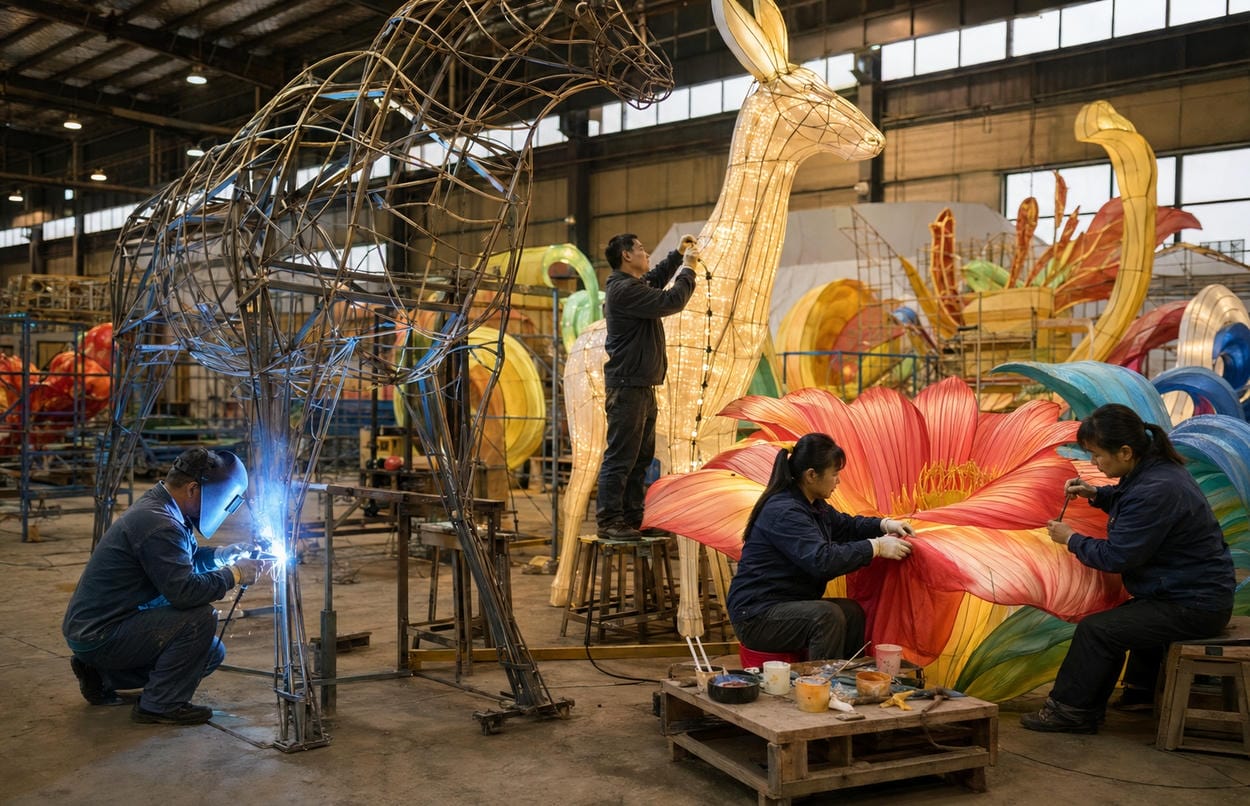
Metal forming, welding, lighting installation, surface finishing, artistic detailing and assembly checks are coordinated through one project workflow.
Modular Packing and Delivery
Large installations can be divided into transportable sections to support container loading, international shipping and on-site assembly.
Installation and Opening Support
Support may include drawings, labels, videos, remote guidance, spare parts planning and optional engineer or installation service for suitable projects.
Structure, Lighting, Shipping and Installation Are Planned Together
A lantern may look impressive in a rendering but still create problems if it cannot be packed,
assembled, anchored, inspected or maintained at the destination. Technical decisions therefore
depend on the actual project environment, not a generic product specification.
| Project Element | HOYECHI Approach | Information Needed from the Client |
|---|---|---|
| Metal structure | Welded iron or high-strength aluminum can be considered according to scale, weight, reuse, corrosion exposure and handling needs. | Display size, wind conditions, ground type, touring or reuse plan and local engineering requirements. |
| Outdoor lighting | Project options can include low-voltage circuits, pure-copper wiring and industrial-grade waterproof lighting components. | Destination voltage, operating hours, local electrical rules, control needs and maintenance capability. |
| Surface materials | Color, texture, flame-retardant and UV-resistant options are selected to suit the approved design and project specification. | Event season, climate, viewing distance, expected life and any required certification or material standard. |
| Modular engineering | Large displays can be detachable or foldable, with planned connection points, labels and assembly order. | Container limits, site access, lifting equipment, local labor and storage space. |
| Anchoring and installation | Installation guidance is coordinated with display size and site conditions; final local approval remains project-specific. | Soil, paving or deck type, wind exposure, local code, underground services and responsible local engineer. |
| Maintenance and reuse | Accessible connections, replaceable parts, careful dismantling and dry storage can support repeated operation. | Operating team, maintenance plan, storage environment and future event calendar. |
From Venue Information to Festival Opening
Define the Business Goal
Clarify whether the priority is ticket income, visitor growth, night tourism, holiday programming, city branding, guest experience or sponsor value.
Review the Venue
Share the site map, route length, photographs, access, power locations, ground conditions, expected attendance and sensitive areas.
Develop the Theme
Select the cultural and local story, visitor segments, major landmarks, zones, visual hierarchy and opportunities for interpretation.
Plan the Experience
Position the entrance, main route, photo points, rest areas, commercial zones, staff access and finale as one visitor journey.
Confirm Design and Engineering
Approve forms, dimensions, color, lighting, structural concept, modular divisions, shipping conditions and installation responsibilities.
Manufacture and Inspect
Produce the frames, lighting and artistic surfaces, then check key structures, connections, appearance, assembly and packing before shipment.
Ship and Install
Coordinate packing, container loading, delivery schedule, local lifting and labor, assembly guidance, anchoring and electrical connection.
Test, Open and Plan Reuse
Complete site testing and route checks before opening, then document maintenance, dismantling, storage and future theme refresh plans.
For a deeper planning framework, visit
Light Show Planning and Business Models.
Choose a Delivery Model That Matches Your Operating Capability
Custom Manufacturing
Suitable for event companies, contractors and experienced venues that already control concept
planning, local installation, approvals and operation. HOYECHI designs and manufactures the
agreed lantern displays for the project.
Turnkey Project Support
Suitable for owners who need coordinated theme development, route planning, custom production,
packing, delivery and installation guidance through one project partner.
Venue Partnership Discussion
For selected parks, scenic areas and tourism venues, cooperation or revenue-sharing structures
may be evaluated according to location, visitor potential, event period, investment,
responsibilities and local operating capability.
Review the
Light Show Business Plan
and
Venue Partnership for Light Festivals
before choosing a model.
What Influences the Business Performance of the Event?
The manufacturer can create the attraction assets and support delivery, but attendance and financial
results also depend on the venue, market and operator. A realistic feasibility review should include:
- Population within the practical drive-time area and competing seasonal attractions.
- Expected event period, operating days, opening hours and local weather patterns.
- Ticket strategy, family packages, group sales and likely attendance scenarios.
- Parking, transport, entrance capacity, route capacity and emergency access.
- Marketing reach, partner channels, tourism promotion and launch lead time.
- Food, beverage, retail, sponsor and private-event opportunities.
- Project investment, shipping, duties, local installation, operation, security and maintenance costs.
- Storage, refurbishment and reuse plans that can distribute asset cost across future seasons.
The right first question is therefore not “How many lanterns can we buy?” It is “What visitor
experience and operating model can this venue sustain?” The display list should be developed after
the route, audience, budget and commercial logic are understood.
Why Work with HOYECHI for a China Light Festival?
Project-Based Design
The concept begins with the venue, visitor profile and business objective. Forms, scale and
placement are then developed as parts of a complete route.
Design-to-Production Coordination
Creative design, structural forming, lighting, artistic finishing, pre-assembly and packing can
be managed through one coordinated factory workflow.
Modular Engineering for Overseas Projects
Large scenes can be planned around container dimensions, site access, local assembly,
maintenance, dismantling and future reuse.
Flexible Installation Support
Depending on project scope, clients can receive drawings, labels, videos, remote guidance,
spare-parts planning and optional on-site engineering or installation assistance.
Multiple Creative and Commercial Formats
The project can be Chinese-cultural, animal-led, botanical, local-story, dinosaur, winter,
branded or mixed, with delivery options matched to the client’s operating capability.
Long-Term Asset Thinking
Where practical, core displays are designed for maintenance, storage, rearrangement and future
seasonal updates rather than treated as one-use decorations.
See verified project examples in our
Park Light Show Case Studies.
What Information Should You Send?
A useful proposal cannot be created from a product name alone. Send the following information where
available; photographs, marked site maps and short videos are especially helpful.
- Venue type, country, city and exact project location.
- Site map, proposed route length, usable area and visitor entrance or exit.
- Current venue photographs, video and measurements of important spaces.
- Target opening date, event period and daily operating hours.
- Primary audience and estimated visitor capacity.
- Main objective: ticket sales, tourism, foot traffic, city branding, guest experience or sponsorship.
- Preferred story, local cultural references, wildlife, brand guidelines or inspiration images.
- Approximate investment range and desired cooperation model.
- Known wind, temperature, rainfall, power, ground and local-code conditions.
- Available local installation team, lifting equipment, operation team and storage plan.
Start with the venue, not a generic catalog
If you send a site map, destination, opening date and budget range, the HOYECHI team can respond
with a more relevant theme direction, scope discussion and next-step plan.
China Light Festival FAQ
Is a China Light Festival the same as a Chinese Lantern Festival?
The terms overlap. “China Light Festival” often emphasizes the complete international event and
its Chinese artistic origin, while “Chinese Lantern Festival” may describe either the cultural
celebration or lantern-based attraction. For a commercial venue, both require clear theme,
visitor-route, production, delivery and operating plans.
Does the event have to use only traditional Chinese themes?
No. Chinese lantern craftsmanship is the visual and production method. Themes can include local
wildlife, city landmarks, botanical stories, dinosaurs, fantasy, winter holidays, sponsors or a
combination of Chinese and local culture.
Is this service for commercial venues or private homes?
ParkLightShow focuses on commercial and public projects for parks, zoos, scenic areas, resorts,
cities, event operators and other visitor venues. Large lantern installations are engineered,
shipped and installed as project assets rather than household decorations.
Can a China Light Festival operate as a ticketed attraction?
Yes. Many venues use lantern festivals as seasonal ticketed night attractions. Actual results
depend on location, demand, pricing, marketing, route capacity, weather, operating cost and
management. The design should support the business plan, but no manufacturer can guarantee
attendance or revenue.
Can HOYECHI design the complete visitor route?
HOYECHI can support theme direction, display hierarchy, entrance landmarks, themed zones, photo
points and visual route planning based on the information supplied by the client. Final crowd,
safety and regulatory plans should be coordinated with qualified local parties.
Can local landmarks or animals be made as custom lanterns?
Yes. Clients can provide photographs, drawings, brand guides or story references. HOYECHI can
translate the subject into an illuminated form with appropriate scale, colors, viewing angles,
structural concept and modular divisions.
Are the displays suitable for outdoor use?
They can be specified for outdoor projects, but the correct materials, structure, lighting,
anchoring and protection level depend on the destination, climate, wind, event period and local
requirements. These conditions should be confirmed during project planning.
How are large lantern displays shipped internationally?
Large installations can be divided into detachable or foldable modules for container transport.
Packing sequence, component labels, assembly drawings and installation guidance can be prepared
according to project scope.
Does HOYECHI provide installation support?
Yes. Support may include assembly drawings, photographs, videos, labels, remote technical guidance,
spare-parts planning and optional on-site engineer or installation service for suitable
international projects.
How early should planning begin?
Large projects should begin several months before opening. The actual schedule depends on concept
complexity, client approval, engineering, quantity, production, shipping distance, customs, local
installation and testing. Starting early protects design quality and reduces delivery risk.
What determines the project cost?
Cost is influenced by route scope, number and size of displays, artistic detail, structure,
lighting, movement or interactive features, outdoor requirements, modular design, packing,
shipping destination and installation support. A site-based brief is needed for a meaningful
quotation.
Related China Light Festival Solutions
Plan a China Light Festival for Your Venue
Tell HOYECHI where the event will be held, when you plan to open, who your visitors are, what
commercial goal you want to achieve and what investment range you are considering. We can help
turn that information into a theme direction, visitor experience and practical project scope.


